Header Logo
Common Wintertime Pet Toxins
January 15, 2019

Now that winter is upon us, it’s time to think about what substances can harm your pet during the colder months. There are several wintertime toxins that can prove harmful for your animal companion! Let’s take a look at some of the most common so that you can keep your pet safe.
Antifreeze
Antifreeze is used in car engines to keep them running properly. Unfortunately, many types of antifreeze contain ethylene glycol, a toxic alcoholic substance that can harm pets in very small amounts. Even worse, antifreeze has a sweet smell and taste that can attract pets! Use antifreeze carefully, and clean up spills right away. Store it in a safe place where pets can’t reach.Ice Melt
Your pet might encounter ice melt while walking outside, or they may come across a container of it inside your home. Most ice melts are made with sodium chloride, which can lead to an upset stomach and skin irritation in small amounts, and serious cases of poisoning in larger doses. Avoid ice patches outdoors whenever you can, and store ice melt carefully.Human Medications
When cold and flu season hits, you and members of your family might start taking over-the-counter medications like ibuprofen, which is an NSAID. NSAIDs, or non-steroidal anti-inflammatory drugs, are very dangerous for pets! Too much of an NSAID can cause damage to the intestinal wall and reduce blood flow to the kidneys, leading to serious health issues. Other human medicines, like cough syrup, prescription drugs, and more, can also cause harm. Keep your medicine cabinet shut tightly at all times.Pesticides and Rodenticides
The chilly weather outside lures pests like insects and small rodents indoors, where you might fend them off by using pesticide or rodenticide products. Remember that these products can poison a pet who comes into contact with them! Use pet-safe varieties whenever possible, or consider non-toxic alternatives like traps, always placed carefully where pets won’t reach.Plants
Plenty of plants that might be in or around your home during the wintertime can prove toxic to pets. The list includes lilies, mistletoe, holly, daffodils, Amaryllis, a variety of aloe plants, Autumn crocus, and Christmas cactus, among others. Poinsettias can cause minor mouth or stomach irritation, drooling, or vomiting in some cases. Call your vet’s office today to learn more about winter pet toxins. We’re here to help with all of your pet-care needs!
How Can You Calm Pets During Thunderstorms and Loud Noises?
Does your furry friend pace, hide, or panic when thunder rolls in or fireworks begin?

Why Do Dogs Eat Grass and Should You Be Concerned?
Have you ever watched your canine companion munch on grass during a walk and wondered

How Do You Know When It’s Time for End-of-Life Care?
Have you noticed changes in your furry friend that make you wonder what comes next?
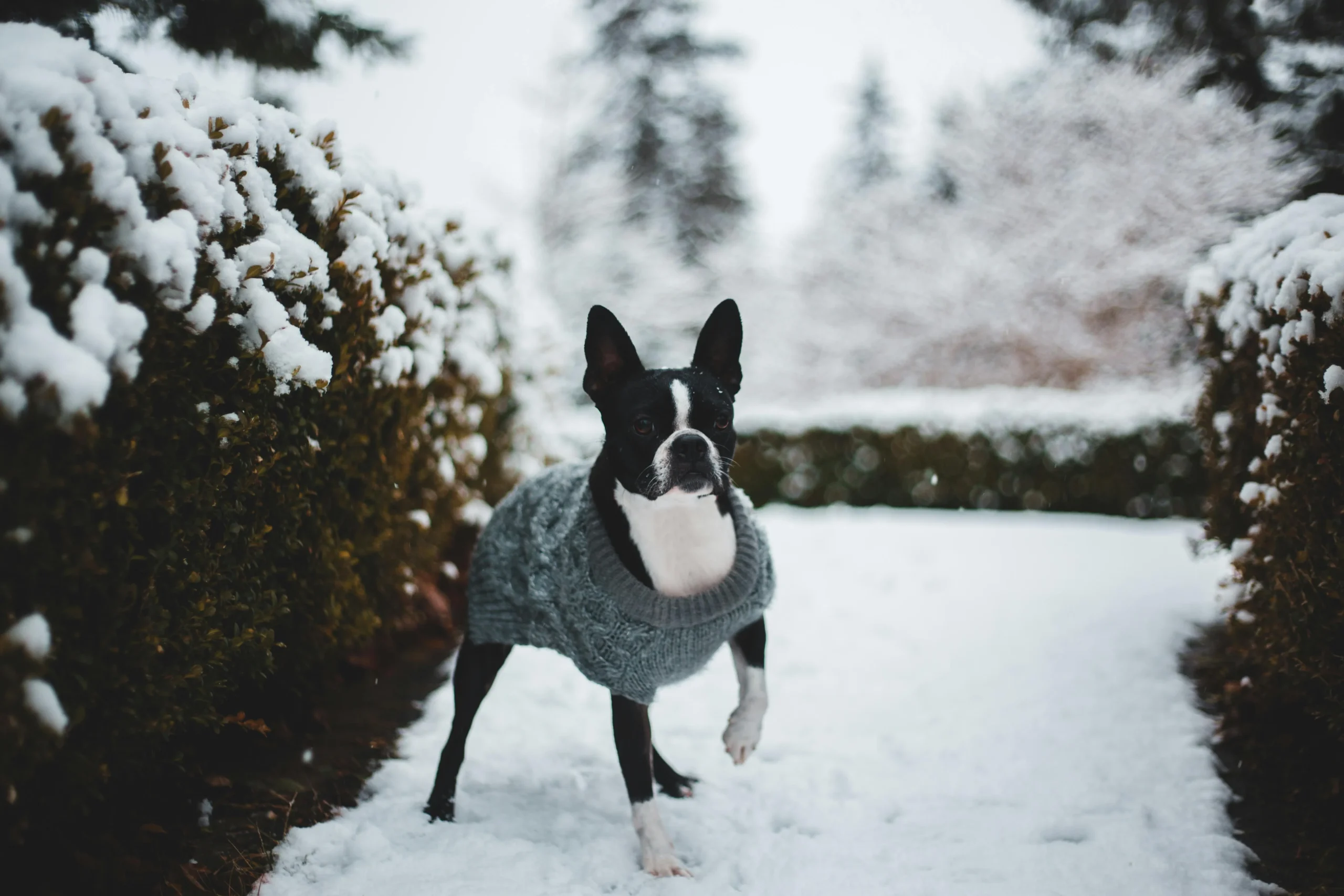
How Do You Care for Pets During Cold Tennessee Winters?
When temperatures drop and winter weather settles into Tennessee, have you thought about how it