Header Logo

Can My Pets Be Allergic to Each Other?
February 15, 2020

As you probably know, your dog or cat can be allergic to many things. Dust, dirt, fleas, mold, pollen, ingredients in their food, certain materials like rubber or plastic… the list goes on and on. But can dogs and cats themselves can be allergic to each other? And if they are, what do you do about it?
Can Dogs and Cats Be Allergic to Each Other?
Yes, dogs and cats can be allergic to each other. It’s possible for dogs to be allergic to cats and vice versa, and it’s also possible for dogs to be allergic to other dogs and for cats to be allergic to other cats. Pet-to-pet allergies aren’t diagnosed nearly as often as allergies to the substances mentioned above—mold, pollen, food ingredients like pork or soy, etc.—are, but they’re entirely possible. Many people make the mistake of thinking that it’s a dog or cat’s hair itself that causes allergies, but it’s actually the proteins found in pet dander, saliva, and urine. Those proteins cause allergic reactions in humans who suffer from pet allergies, and they’re also the root cause of pet-to-pet allergies.What are the Signs of a Pet-to-Pet Allergic Reaction?
Pet-to-pet allergic reactions closely mirror the signs of allergic reactions to other substances. Primarily, you’ll notice your pet scratching themselves—that’s because pets that suffer from allergies have an abnormal skin barrier that lets environmental allergens like dust, dirt, and dander be absorbed more easily. The skin responds by releasing histamine, which causes a feeling of itching. Aside from intense scratching, a pet experiencing an allergic reaction may display signs like sneezing, runny nose or eyes, puffy or red eyes, and red, irritated skin. You might notice bald patches or even skin trauma, caused by your pet scratching themselves to try and find relief.What Do I Do to Solve the Problem?
If you suspect your pet is experiencing an allergic reaction, whether it’s to another pet in the house or any other substance, call your veterinarian. Tests can be performed to confirm the presence of allergies. From there, allergy medications may be prescribed, or your veterinarian will offer advice on using air purifiers and bathing your pet(s) with medicated shampoo to lessen your allergic pet’s exposure to allergens. Don’t worry—there are many options before it comes to giving up one of your pets! To learn more, contact your vet’s office today.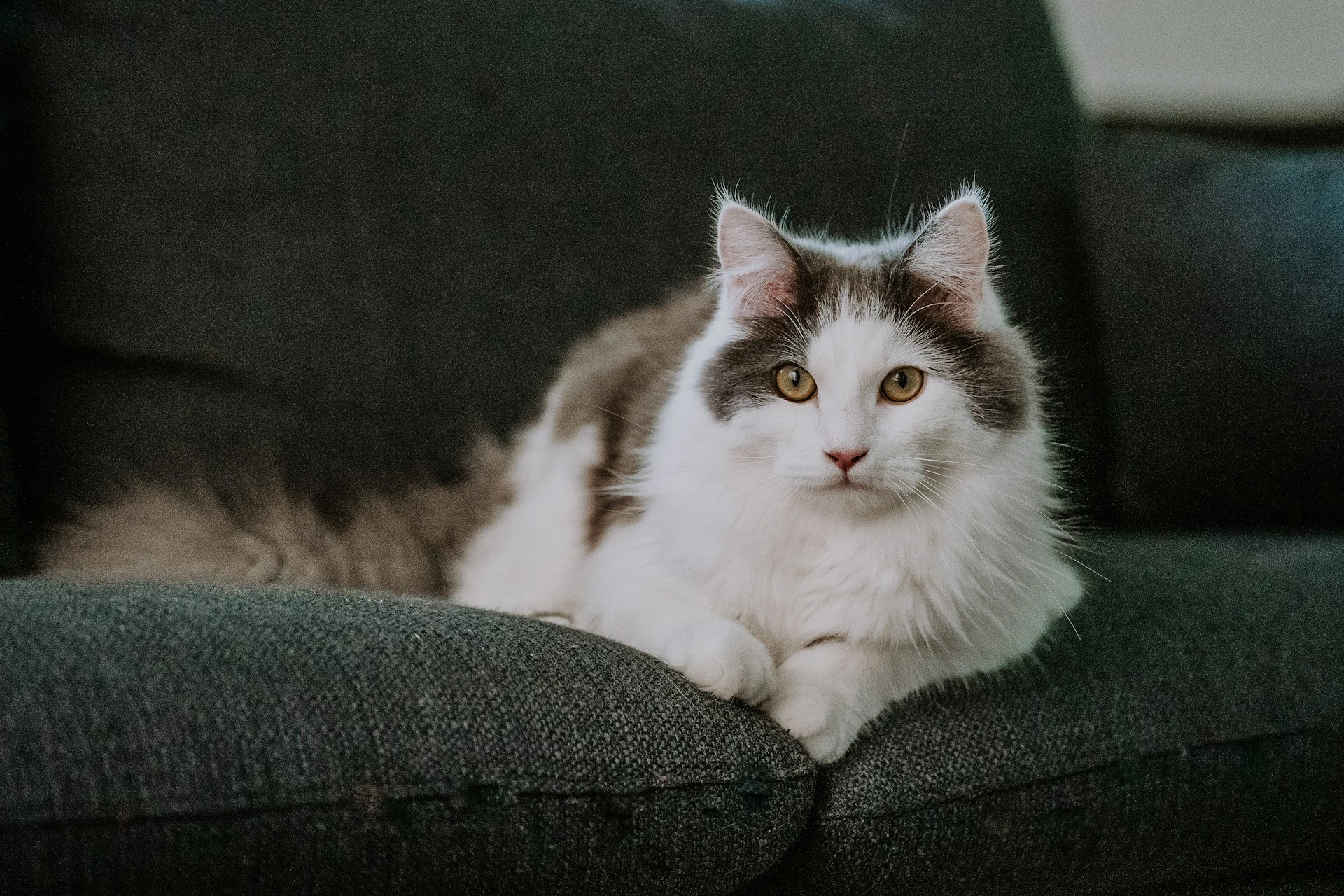
How Do You Care for a Longhaired Cat Without Mats?
Have you ever run your hand along your feline companion’s coat and felt a tangle

Is Your Pet Overweight? Signs and Safe Weight Loss Tips
Have you noticed your furry friend slowing down, gaining weight, or struggling with everyday activities?

How Often Should You Groom Your Dog or Cat?
Are you unsure if your furry friend is being groomed often enough? Understanding the right
Should Cats Live Indoors? Benefits for Safety and Health
Have you ever wondered whether your feline companion would be happier roaming outside or staying