Header Logo
National Animal Safety and Protection Month
October 1, 2021

October is National Animal Safety And Protection Month! Of course, this topic is important all year long. Pets don’t always know what is and isn’t safe for them, and they can easily get into trouble. You’ll need to take a few steps to keep your four-legged friend happy, healthy, and, of course, safe. A local vet offers some advice on pet safety in this article.
Dogs
Fido is both curious and playful, and he has a taste for exploration. That can be a dangerous combination! The best thing you can do to protect your canine buddy is to make sure that he will obey basic commands, like Sit, Stay, and Come. You’ll also need to keep your pup on a leash whenever you take him off your property. We also strongly recommend microchipping your furry pal, and making sure he has proper ID tags on. Last but not least, if you have a yard, make sure that your fencing is secure.Cats
For Fluffy, the best way to keep her safe is definitely to keep her inside. Your feline pal may think of herself as a ferocious lion, but she’s actually very small and vulnerable. Cars, weather, chemicals, and other animals are just a few of the dangers your kitty will face outside.All Pets
No matter what kind of pet you have, you’ll need to keep up with their veterinary care. Petproofing is also important. While the exact details of what you would want to address may vary a bit, there are some common dangers that you would want to see to. Toxins are one concern. Any type of chemical or medication should be stored in spots your furry friend can’t access. Also, make sure that your place only contains pet-safe plants. (You can find a great list of both toxic and non-toxic plants online at the ASPCA website here.) Plastic bags and ties are also dangerous. Get into the habit of cutting those rings that hold beverages together, and keep wrappers out of paws’ reach. Other potential hazards include chemical and medications; candles; wires and cords; and anything small or sharp. Finally, take care not to let your pet ingest any unsafe foods. Ask your vet for specific advice. Please do not hesitate to reach out if ever we can be of assistance. As your local animal clinic, we are here to help!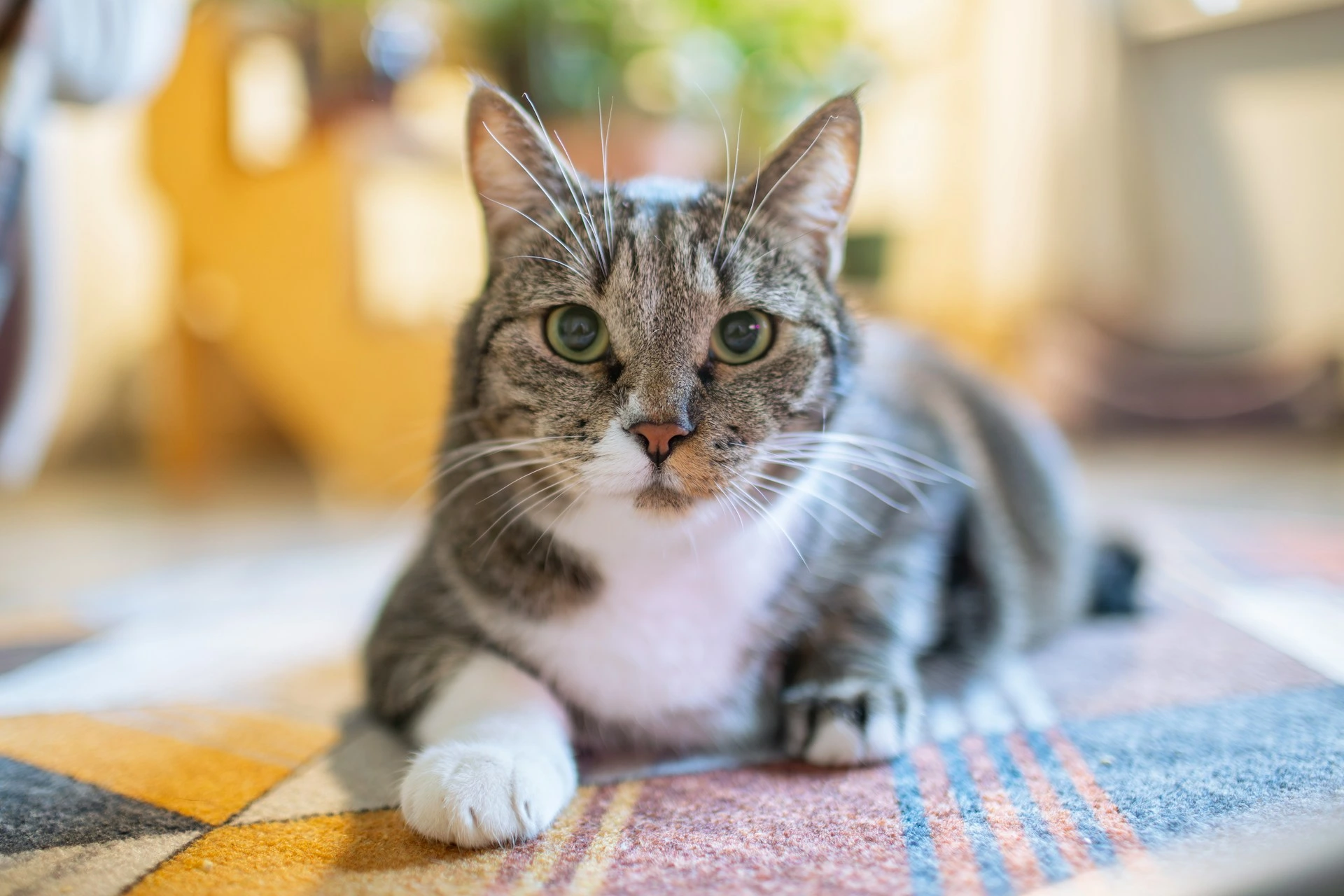
How Do You Care for a Senior Dog or Cat at Home?
Have you noticed small changes in your furry friend, like slower movement or longer naps?

How Can You Help a Dog With Separation Anxiety?
Does your canine companion get distressed when you leave the house? Separation anxiety in dogs

Why Is Heartworm Prevention So Important in Tennessee?
Have you ever wondered why veterinarians emphasize heartworm prevention for Tennessee pet owners so often?

What Should You Expect During Your Puppy’s First Year?
Bringing home a new puppy is exciting, but it comes with many questions. What should