Header Logo

Essential Oils That Are Toxic to Pets
August 1, 2019

Essential oils have become very popular, and with good reason. They smell wonderful, and can be helpful for both cosmetic and medicinal purposes. They are also often utilized for aromatherapy and in personal care products, like soaps and lotions. However, what is good for us isn’t always good for our animal companions. In fact, some essential oils are dangerous for pets. Here, a vet offers information to help keep your pets safe.
Cats
Cats have very sensitive skin, which tends to absorb things very quickly. They are also extremely sensitive to toxins. This is because Fluffy doesn’t have essential liver enzymes that allow her to metabolize toxins. Essential oils are particularly dangerous because they are distilled, and are therefore much more potent than the plants they are derived from. Kitties are also at risk through inhaling oils via diffusers or sprays. Never use peppermint, wintergreen, citrus oils, tea tree oil, cinnamon oil, pennyroyal, or tea tree on or near cats or their belongings.Dogs
Many essential oils are also unsafe for dogs. The list includes cinnamon, tea tree oil, citrus oils, pennyroyal, peppermint, wintergreen, ylang ylang, pine, and sweet birch. Clove, garlic, anise, thyme, wintergreen, juniper, and horseradish are also unsafe. It doesn’t matter whether your pooch eats the oil or gets it on his skin. Keep in mind that Fido has a very, very sensitive nose. What may smell wonderful to you can be overpowering to pets.Tips
Since the above oils are not safe for pets, it’s best to stick with safer oils, such as lavender, frankincense, and vanilla. However, if you do use oils that are toxic to pets, exercise caution when using them. Keep them away from your furry friend, and store them out of paws’ reach. If you want to burn oil in a diffuser, keep your pet in a separate area. Also, be sure to wash your hands after using these oils. That way, you won’t accidentally transfer any to your pet’s skin. It’s also worth noting that each pet is different. One dog may immediately react to an oil, while another may not be affected at all. Individual allergies can also play a role in whether your pet reacts to a certain oil or not. Please contact us, your vet clinic, with any questions or concerns about your pet’s care. We’re here to help!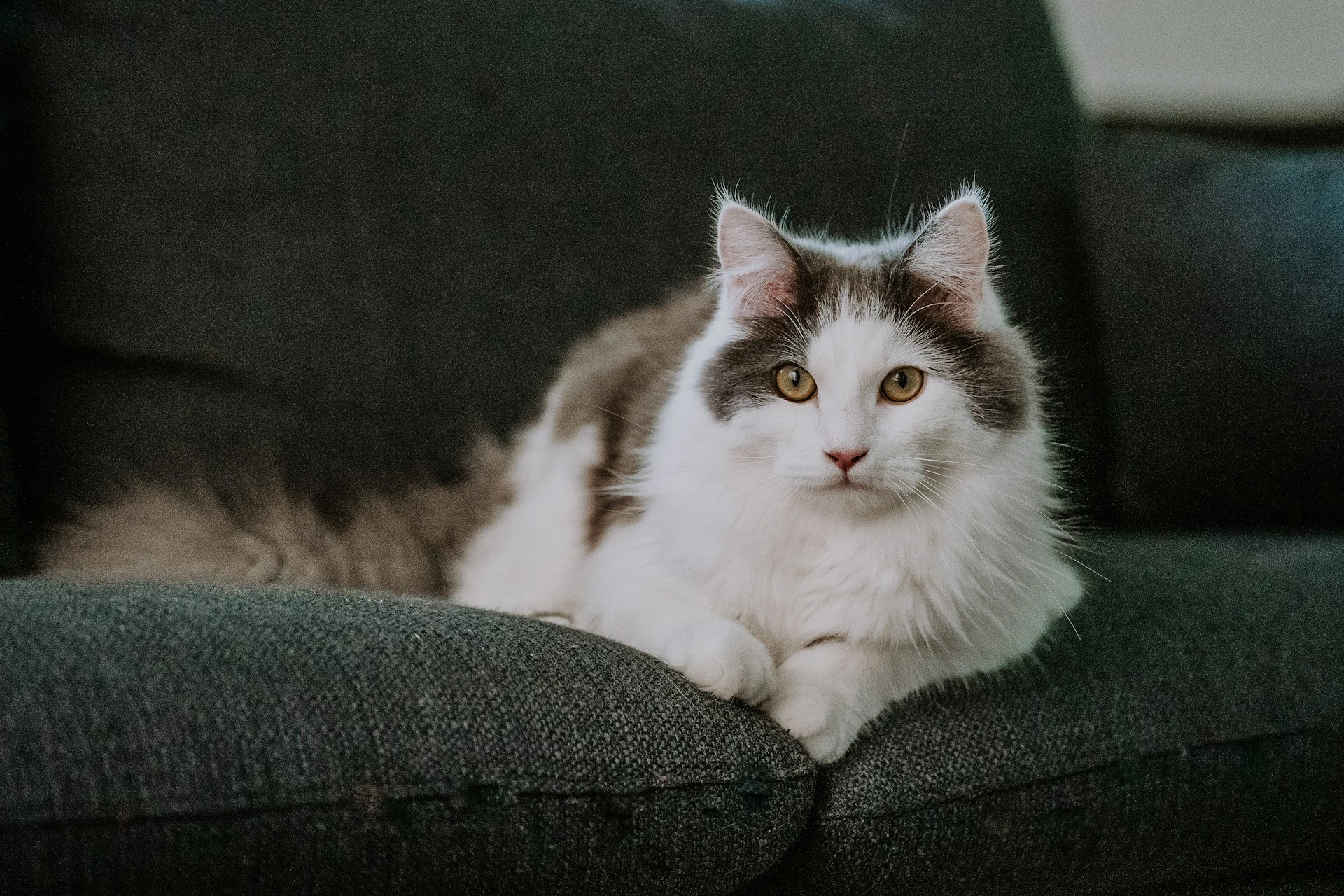
How Do You Care for a Longhaired Cat Without Mats?
Have you ever run your hand along your feline companion’s coat and felt a tangle

Is Your Pet Overweight? Signs and Safe Weight Loss Tips
Have you noticed your furry friend slowing down, gaining weight, or struggling with everyday activities?

How Often Should You Groom Your Dog or Cat?
Are you unsure if your furry friend is being groomed often enough? Understanding the right
Should Cats Live Indoors? Benefits for Safety and Health
Have you ever wondered whether your feline companion would be happier roaming outside or staying