Header Logo
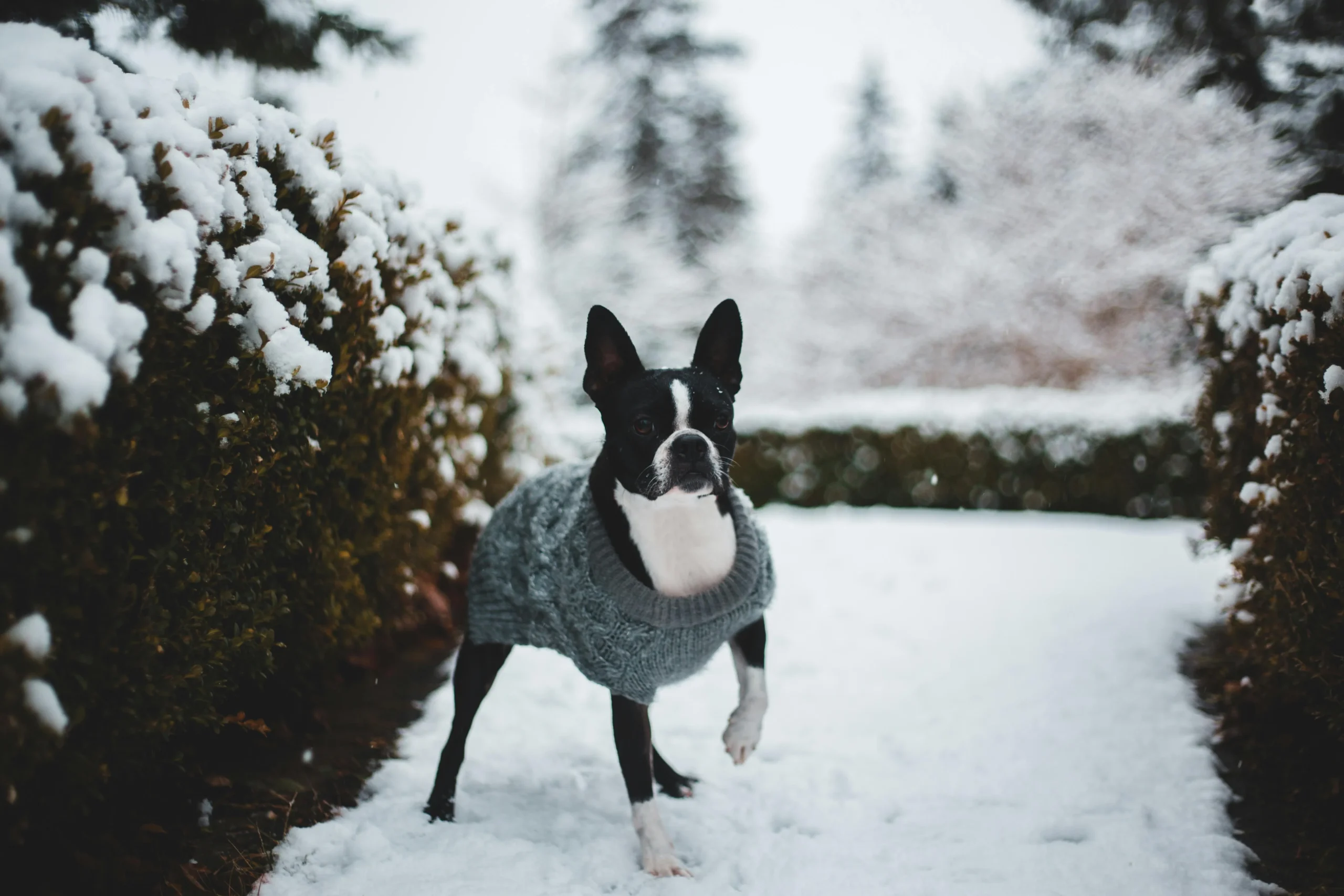
How Do You Care for Pets During Cold Tennessee Winters?

When temperatures drop and winter weather settles into Tennessee, have you thought about how it affects your furry friend? Cold conditions can be as challenging as summer heat, making winter pet care in Tennessee essential to keep your pet safe and comfortable. At South Rhea Animal Hospital, your trusted veterinary clinic serving Dayton, TN, many pet owners ask how to adjust care during colder months. Families from nearby Sale Creek, TN, also rely on our team for guidance on protecting their pets from seasonal risks.
Understanding the winter pet care needs in Tennessee can help prevent discomfort, injury, and illness. This guide covers cold-weather dog safety, highlights common winter hazards pets face, and shares practical advice for outdoor pets’ winter care and effective cold protection.
Why Cold Weather Can Be Risky for Pets
Tennessee winters may not always bring extreme cold, but fluctuating temperatures, wind, and moisture can impact your pet’s health. Pets lose body heat quickly, especially when exposed to cold surfaces or damp conditions. Your canine companion or feline friend who enjoys time outdoors can be affected. Proper pet cold protection helps maintain comfort and prevents weather-related issues.
Here at your Dayton vet clinic, we believe winter wellness is just as important as summertime safety in keeping your pets healthy all year long.
Cold Weather Dog Safety: What You Should Know
Limiting Exposure to Cold
One of the most important aspects of cold-weather dog safety is limiting time outdoors on colder days. Shorter walks and supervised outdoor time help reduce exposure.
Your pup may enjoy the crisp air, but extended time outside can cause discomfort. Watching for signs of cold stress is key to keeping your canine buddy safe.
Recognizing Signs of Cold Stress
Pets may show signs of discomfort when too cold. Shivering, reluctance to walk, or seeking warm spaces are common indicators.
If your dog looks uncomfortable, bring them inside and let them warm up at their own pace—maybe with a cozy blanket or a spot by your feet.
Winter Hazards Pets Face
Cold Surfaces and Paw Protection
Cold surfaces, such as frozen ground or icy pavement, can affect your pet’s paws. Exposure may cause irritation or discomfort.
Checking your pet’s paws after outdoor time helps identify issues early. Keeping paws clean and dry supports comfort.
Antifreeze and Environmental Risks
Some winter products can be harmful if pets come into contact with them. Being aware of your surroundings and limiting exposure helps reduce risk.
Monitoring your pet during outdoor time is an important part of awareness of winter hazards for pets.
Reduced Visibility
Shorter daylight hours make outdoor walks more challenging. Reduced visibility increases the need for supervision and awareness.
Keeping your pet close and attentive during walks helps support safety.
Outdoor Pets Winter Care Tips
Providing Shelter and Warmth
For pets that spend time outdoors, proper winter care is essential. A warm, dry shelter protects against wind and moisture.
Shelter should be insulated and positioned to reduce exposure to harsh weather. A comfortable resting area helps maintain body warmth.
Monitoring Time Outdoors
Even pets accustomed to outdoor living need protection during colder weather. Limiting exposure during extreme conditions prevents discomfort.
Regular checks ensure your pet stays safe and comfortable.
Pet Cold Protection at Home
Creating a Warm Indoor Environment
Maintaining a comfortable indoor temperature is one of the simplest ways to support pet cold protection. Providing cozy resting areas helps your furry friend stay warm.
Soft bedding placed away from drafts can improve comfort for both your canine companion and feline friend.
Adjusting Daily Routines
Winter weather may require changes to your pet’s routine. Shorter walks, indoor playtime, and adjusted schedules maintain activity while reducing exposure.
Consistency helps your pet adapt to seasonal changes.
Supporting Hydration and Nutrition
Encouraging Water Intake
Hydration is just as important in winter as it is in summer. Pets may drink less when it is cold, so providing fresh water regularly is essential.
Placing water in accessible locations helps encourage drinking.
Maintaining a Healthy Weight
Proper nutrition supports overall health during colder months. Maintaining a healthy weight helps your pet regulate body temperature more effectively.
Your veterinary clinic can help guide dietary adjustments if needed.
Indoor Activities for Winter Months
Keeping Pets Active Indoors
Cold weather may limit outdoor activity, making indoor engagement more important. Interactive play helps your pet stay active and mentally stimulated.
Short play sessions throughout the day can help maintain energy levels and prevent boredom.
Strengthening Your Bond
Spending more time indoors creates opportunities to connect with your pet. Activities like play and training can strengthen your bond while supporting overall well-being.
Keeping your furry friend engaged is an important part of winter pet care in Tennessee.
When to Contact Your Veterinary Clinic
If you notice signs of discomfort, behavior changes, or concerns related to cold exposure, contact your veterinarian.
At South Rhea Animal Hospital in Dayton, TN, our team is here to help you navigate seasonal changes and protect your pet’s health. Pet owners from Sale Creek, TN can also rely on our clinic for winter care guidance.
Early attention helps prevent small concerns from becoming more serious.
The ASPCA has a good blog on winter pet care. The Animal Humane Society writes about winter paw care in this article.
FAQ: Winter Pet Care Tennessee
How cold is too cold for pets?
Tolerance varies by pet, but signs like shivering or reluctance to move indicate it is time to go indoors. Monitoring your pet helps guide safe exposure.
How can I protect my dog during winter walks?
Following cold-weather dog safety practices, such as limiting exposure, checking paws, and choosing appropriate times for walks, helps keep your dog comfortable.
Do indoor pets need special care in winter?
Yes, indoor pets benefit from pet cold protection through warm environments, consistent routines, and regular activity.
What are common winter hazards for pets?
Common winter hazards pets face include cold surfaces, environmental risks, and reduced visibility during outdoor activities.
Schedule a Visit at South Rhea Animal Hospital in Dayton, TN
Staying proactive with winter pet care in Tennessee helps keep your furry friend safe and comfortable during colder months. At South Rhea Animal Hospital, your trusted Dayton, TN veterinary clinic, our team is here to support your pet’s seasonal needs. Pet owners from Sale Creek, TN, are also welcome to rely on our experienced team.
If you have been searching for a dependable vet near me, we are here to help you create a winter care plan that works for your canine companion or feline friend. Contact South Rhea Animal Hospital today to schedule a wellness visit and keep your pet protected all season long.
This blog is intended for informational purposes only. Always consult with your veterinarian for proper medical advice, diagnosis, or treatment for your pet.
Are you looking for a great animal hospital in Dayton or Sale Creek, TN? Please feel free to contact us! You can also learn more about our veterinary clinic and veterinarians by visiting our Services page. We offer a full suite of services, including Wellness and Vaccinations, Boarding, Grooming, Behavioral Counseling, and Hospice Care.

How Can You Calm Pets During Thunderstorms and Loud Noises?
Why Do Dogs Eat Grass and Should You Be Concerned?

How Do You Know When It’s Time for End-of-Life Care?