Header Logo
What to Know About Grain-Free Dog Food
July 1, 2021

You’ve probably heard about grain-free or gluten-free products over the past few years. They’ve gained a lot of popularity recently, and grain-free products have found their way into the pet food world, too. But is a grain-free diet right for your dog? Let’s take a closer look at what grain-free means and whether or not it’s the right choice for your pet.
What is grain-free dog food?
Grain-free dog food is just what it sounds like: food made without the common grains used in dog food, like wheat, barley, rye, corn, rice, oats, and soy. Grain-free foods usually substitute other sources of carbohydrates, like sweet potatoes or lentils, in place of those grains.Are grain-free and gluten-free the same thing?
No, grain-free and gluten-free aren’t quite the same thing. Gluten-free foods don’t have grains that contain gluten, like wheat, barley, and rye, but they could be made with other types of grains (corn, soy, etc.). So, a grain-free diet could be gluten-free, but a gluten-free diet doesn’t have to be entirely grain-free.Is there a connection between grain-free food and heart disease?
You may have heard about grain-free dog foods in the news recently. That’s because the Food and Drug Administration opened an investigation into possible linkages between grain-free diets and the development of dilated cardiomyopathy (heart disease). The study is ongoing, so it’s difficult to point to any concrete conclusions. It seems that other factors besides grain-free food could contribute to heart disease, and pets in the study that didn’t eat grain-free food developed heart disease as well. Here’s the bottom line: a direct link between grain-free food and heart disease has not been proven, so your best choice is to speak with your vet about the issue.Should my dog be fed a grain-free diet?
It’s always a good idea to ask your vet before feeding your dog a grain-free diet. Because whole grains provide important nutrients for your pup—fiber, magnesium, selenium, carbohydrates, and others—you don’t want to remove those ingredients unless it’s warranted. Grain-free foods may be helpful for dogs with particular allergies to grain sources, but this kind of diet isn’t necessary for most dogs. The best course of action is to work closely with your veterinarian when it comes to Fido’s dietary and nutritional needs. Would you like to learn more about grain-free dog food? Contact your local pet clinic to speak with the professionals.
How Can You Calm Pets During Thunderstorms and Loud Noises?
Does your furry friend pace, hide, or panic when thunder rolls in or fireworks begin?
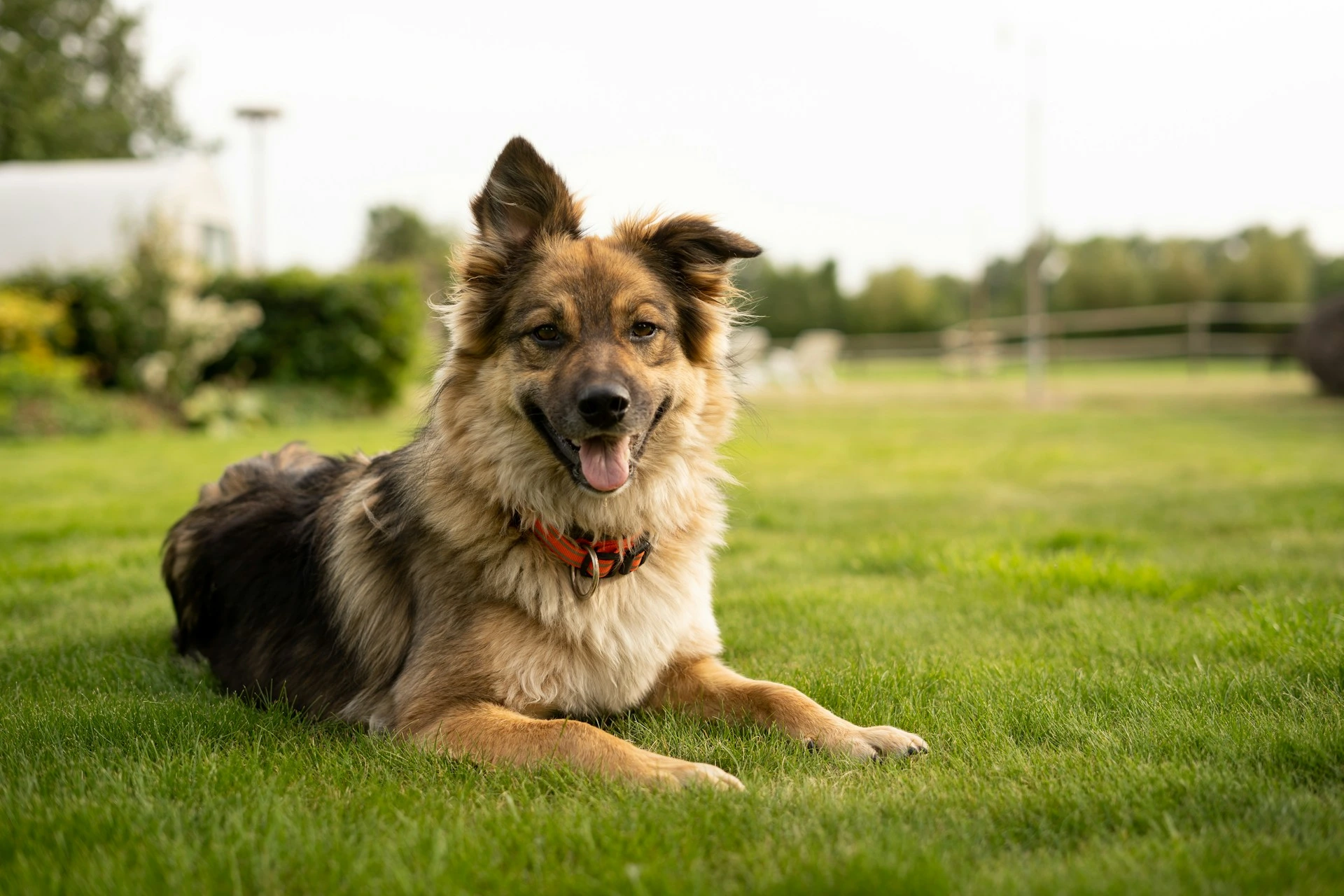
Why Do Dogs Eat Grass and Should You Be Concerned?
Have you ever watched your canine companion munch on grass during a walk and wondered

How Do You Know When It’s Time for End-of-Life Care?
Have you noticed changes in your furry friend that make you wonder what comes next?

How Do You Care for Pets During Cold Tennessee Winters?
When temperatures drop and winter weather settles into Tennessee, have you thought about how it